
HOME HEALTH
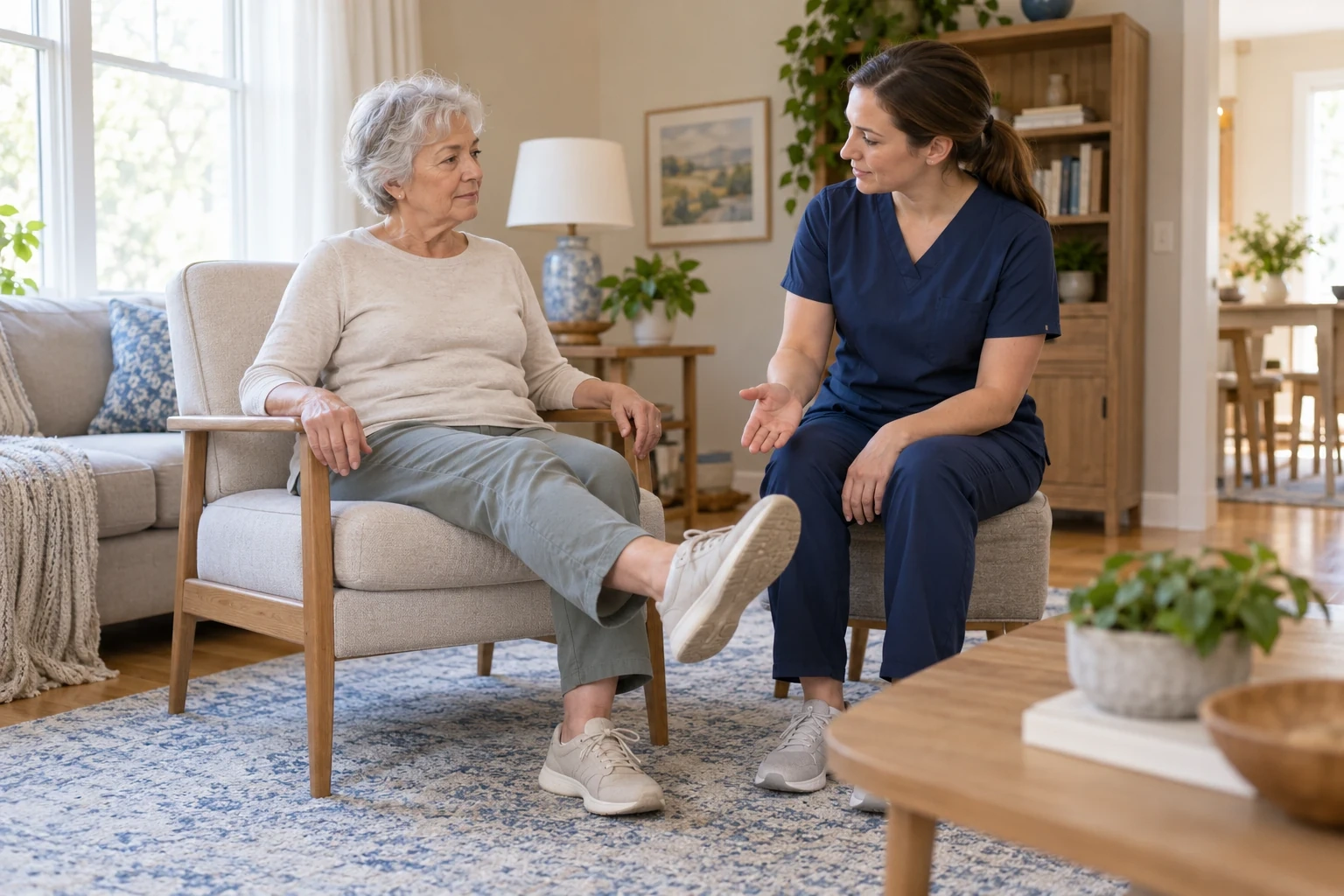
Care focused on recovery and independence.
Skilled nursing, therapy, and other healthcare services to help people recover from illness or injury, manage ongoing conditions, or maintain their abilities at home.
UNDERSTAND THE DIFFERENCE
Both bring professional care into the home. The difference is what that care is designed to accomplish.
Skilled nursing, therapy, and other healthcare services to help people recover from illness or injury, manage ongoing conditions, or maintain their abilities at home.

Specialized medical care and emotional support for people with terminal illnesses, with an emphasis on symptom relief, dignity, and support for their families.
Helping patients recover, manage illness, or maintain independence through skilled nursing and therapy.
Helping patients with terminal illnesses remain as comfortable as possible through symptom management and support for their families.
When someone needs qualifying skilled care at home, often after hospitalization, surgery, or changes in a medical condition.
When someone has a terminal illness, generally with a prognosis of six months or less if the illness follows its usual course, and chooses hospice care.
Scheduled visits from nurses, therapists, and other care professionals, guided by an individualized care plan.
Visits from an interdisciplinary care team, comfort-focused treatment, family support, and access to on-call assistance 24 hours a day.
Palliative care focuses on relieving symptoms, managing discomfort, and improving quality of life for people living with serious illnesses. It can begin at any stage of illness and may be provided alongside treatment intended to cure or manage the condition.
Hospice includes palliative care, but has a more specific purpose: providing comfort-focused care for people with terminal illnesses. Receiving palliative care does not necessarily mean someone is ready for hospice.
Because palliative care can mean different things depending on a person's needs and circumstances, we encourage you to reach out to your local Aspen team if you have questions. They can help explain how palliative care relates to other services and what options may be appropriate.
You don't need to determine which service is appropriate on your own. Your healthcare provider and local Aspen team can help you understand the differences, discuss your needs and goals, and determine what options may be appropriate.
Find an Aspen Location